POLYNOME ACADEMY

Make odd time signatures feel as natural as 4/4.

Remember complex rhythms. Create fresh grooves and fills.

Learn a practical counting method that helps you feel the rhythm and explore new ideas — without needing to read or write music.

Start learning Key Counting

Self-paced · Lifetime access · 30-day money-back guarantee

Watch the 57-second introduction.
“The Key Counting Method is like 5-minute-abs for drums. But it actually works!”
Chris ReeveCHRIS REEVE Avril Lavigne / Tom Morello

A CLEARER WAY TO FEEL RHYTHM

Can you count the notes, but still struggle to feel the groove?

Perhaps you lose your place in odd time, forget a rhythm you’ve just played, or keep returning to the same familiar fills.

I created Key Counting to make odd time signatures easier to understand and feel. It gives you a practical way to organise complex rhythms, remember them and explore new possibilities.

And it goes beyond odd time: you can use the same ideas in 4/4 to create fresh grooves and fills.

“I can’t emphasize enough how clever and helpful this method is! Whether you are a beginner, or have been playing all of your life, you should dive head first into this course!”
Brant ColeBRANT COLE brantjcole.com

“I already know how to count odd times. Why learn another method?”

Many musicians are comfortable playing in 5/8 or 7/8, but find time signatures like 11/16 and 13/16 much harder to count and feel. The Key Counting Method levels the playing field, making all of these time signatures equally easy to play.

Familiar counting methods can help you navigate the bar, while tying you to a particular grouping or leaving you keeping track of an awkward extra note.

It gives you a flexible, musical way to organise the rhythm, so you can create grooves, play fills and explore different phrasing while keeping your place, even in time signatures that initially look intimidating.

Compare three familiar counting methods below ↓

WHAT YOU’LL LEARN

Feel the rhythm.
Then make it your own.

01

Make sense of odd time

Learn simple, musical ways to count odd time signatures. Whether it’s 5/8, 11/16, 13/16 or 19/16, the same system helps unfamiliar rhythms feel as natural as 4/4. You don’t need advanced theory or music-reading skills to get started.

02

Remember more, count less

Apply the same ideas to 4/4, memorise complex rhythms and explore how they sound when displaced.

03

Find fresh grooves and fills

Put hundreds of musical rhythmic ideas at your fingertips—or rather, in your head. Once you know the system, you can call them up whenever you want. No pen and paper, no looking things up, and no memorising hundreds of separate patterns. Just a new way of thinking that opens up fresh grooves and fills.

BITE-SIZED LESSONS. BIG POSSIBILITIES.

Understand the idea in five minutes.
Build it into your playing.

The basic idea becomes clear in the first five minutes. The course then guides you through applying it, step by step, across a wide range of musical situations.

In 19/16 alone, the system gives you 150 different rhythmic possibilities. You don’t have to learn and remember 150 patterns. Learn the system, and you can bring any of them to mind whenever you want.

WATCH & PLAY

Over 3 hours of video lessons

Follow tutorials and play-along videos in bite-sized lessons. Revisit an explanation or pick up where you left off, at your own pace.

TAKE IT INTO PRACTICE

Notes & downloadable resources

Return to lesson notes and supporting resources as you practise applying the method to odd time signatures, 4/4, grooves and fills.

BONUS FOR POLYNOME USERS

Hear the rhythmic keys

Downloadable PolyNome presets, organised by time signature, give you instant access to hearing the rhythmic keys. Explore how they sound and use them as a starting point for your own practice.

Requires the separately available PolyNome app. You don’t need the app to learn the method.

One payment. Lifetime course access. Come back whenever you need a refresher.

Learn the Key Counting Method

COUNTING ODD TIMES

Three common ways to count odd times

New to odd time signatures? These three videos introduce common ways of counting them. Each approach can help you get started, but they all have their limitations.

In the Key Counting course, you’ll learn a flexible, musical alternative to these approaches, helping you keep your place and explore new rhythmic ideas.

The Remainder Method

How it works: Think in quarter notes, then account for the sixteenth notes left over at the end of the bar.

The limitation: The leftover notes interrupt the familiar quarter-note count. You have to keep track of the remainder as well as the main count, which can make the end of the bar feel like an awkward add-on.

Watch: The Remainder Method

The Chunking Method

How it works: Divide the bar into smaller groups of notes and count each group separately.

The limitation: It can be hard to keep track of where you are in the bar as you count through the different groups.

Watch: The Chunking Method

The “Not Quite Doubled” Method

How it works: Count eighth notes, then use a short count for the remaining odd sixteenth note.

The limitation: Most counts last an eighth note, but one lasts only a sixteenth. That uneven count can be difficult to keep track of, particularly as the tempo increases.

Watch: The “Not Quite Doubled” Method

Learn the Key Counting Method

Joe Crabtree

YOUR INSTRUCTOR

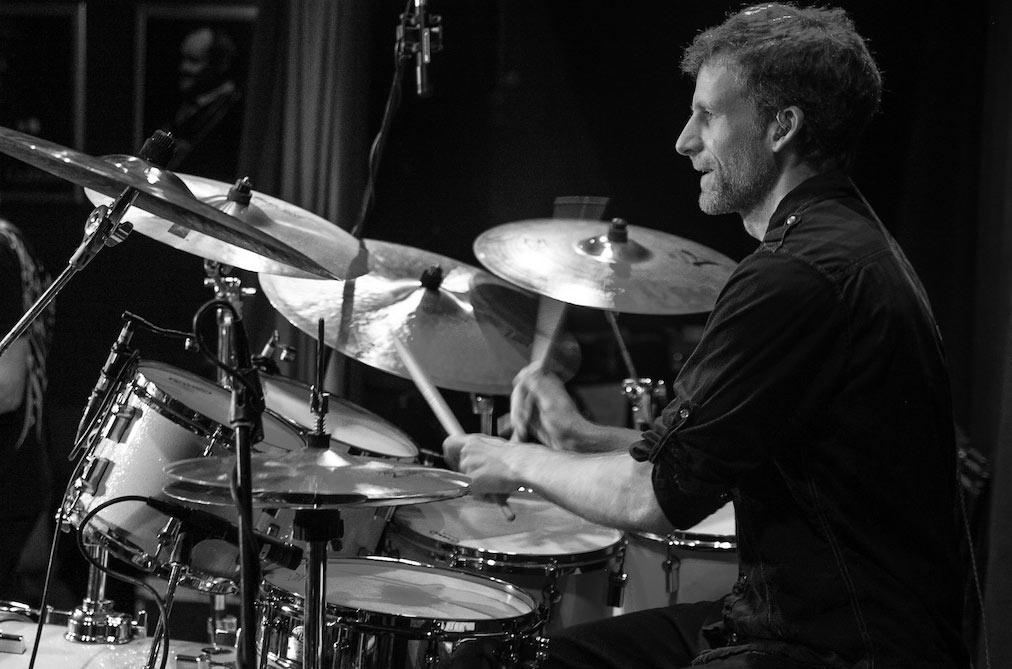
Meet Joe Crabtree.

Joe Crabtree is a drummer, teacher and rhythm app developer. He spent 15 years touring with Wishbone Ash and has also performed with David Cross and Pendragon.

Joe’s teaching makes complex rhythmic ideas clear and practical. He brings that same approach to the apps he creates, including PolyNome and Rhythm Generator, and to his Key Counting Method.

Start learning the Key Counting Method

A few useful details

Who is this course for?

Any musician who wants to get better at counting and feeling odd time signatures, and explore new rhythmic ideas in 4/4.

Do I need to read music?

No. You can learn and use Key Counting without reading or writing standard music notation.

Do I need the PolyNome app?

No. You can learn and apply the method without PolyNome. The downloadable bonus presets are for use with the separately available PolyNome app.

Is this suitable for beginners?

The course starts with time signatures and why we count in music, then builds up to the Key Counting Method and its applications. Work through the lessons at your own pace and revisit them as you practise.

Can I use this on instruments other than drums?

Yes. The method is for any musician who wants a clearer way to count and feel rhythm. The teaching examples are drum-focused, but the counting ideas apply beyond the drum kit.

When does the course start?

It’s self-paced. After payment is confirmed, you’ll receive an email with your course access instructions. Learn whenever it suits you.

How long do I have access?

You get lifetime access to the course, so you can return to the lessons whenever you need them.

What if it isn’t right for me?

Contact Joe within 30 days of purchase for a full refund.

Will my discount carry through to checkout?

Yes. Apply your code above and the same promotion is passed to Stripe. Stripe checks that it’s valid and shows the final total before payment.

THE KEY COUNTING METHOD

Your next rhythmic
breakthrough starts here.

For drummers and other musicians who want a clearer way to count, feel and explore odd time signatures.

Try it for 30 days. If the course isn’t for you, contact me within 30 days of purchase for a full refund.

ONE PAYMENT · LIFETIME ACCESS

$89 USD

Checking current price…

Preparing secure checkout…

Secure checkout through Stripe Managed Payments. Checkout may offer your local currency. The final total is shown before you pay.